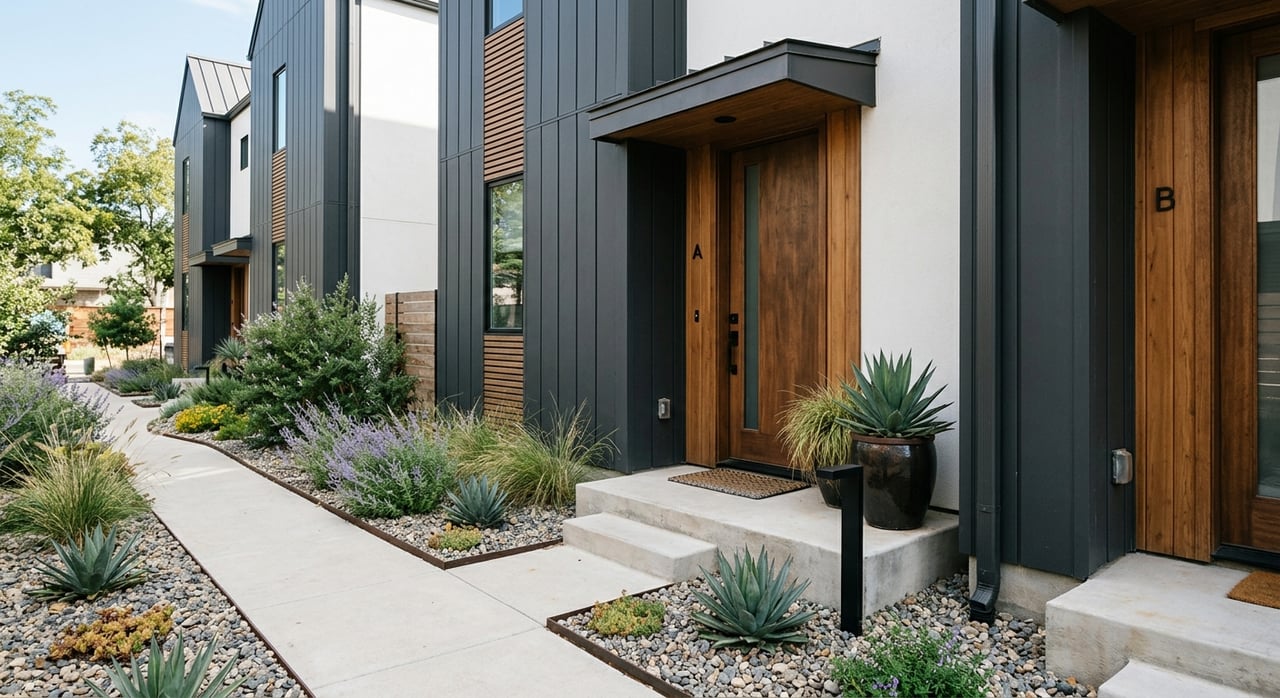
Condo And Townhome Living In Richmond, CA
July 16, 2026
July 16, 2026
If you want homeownership without all the yard work, Richmond may deserve a closer look. Condo and townhome living here can offer a practical path into the East Bay, especially if you value shared upkeep, access to transit, or a location near the waterfront. This guide will help you understand where attached homes tend to cluster in Richmond, what the lifestyle looks like, and what to verify before you buy. Let’s dive in.
Richmond stands out because the city has planned around smart growth, transit-oriented development, and waterfront living. The City’s Community Development Department describes its mission as supporting a sustainable, equitable, smart-growth, transit-oriented community. Richmond’s General Plan also highlights major change areas in places like Hilltop and Marina Bay.
That matters if you are comparing condos and townhomes with detached homes. Richmond gives you a mix of low-maintenance options tied to different lifestyles, from shoreline living to commuter-friendly locations. Instead of one single condo market, you are really looking at several distinct pockets.
Richmond’s broader housing market also shapes the decision. In May 2026, Zillow reported an average Richmond home value of $612,549 and a median sale price of $641,667, while Redfin showed a median sale price of $650,000 for the three months ending in May 2026. Realtor.com also reported homes selling at about 102% of asking on average in May 2026, with a median 35 to 37 days on market.
Marina Bay is one of the clearest fits if you want a waterfront, lower-maintenance lifestyle. The city describes Marina Bay as a 350-acre master-planned waterfront community that is planned to include residential units, commercial space, restaurants, a marina, lagoons, parks, and waterfront promenades. That mix gives the area a distinctive setting compared with more inland parts of Richmond.
You may also like Marina Bay if outdoor access matters to you. City resources highlight the Marina Bay Trail, the Bay Trail, shoreline walking and biking, and public spaces shaped around parks, trails, historical markers, and bay access. For many buyers, that can mean easier access to recreation without the upkeep of a large private lot.
There is also an extra maintenance layer to understand here. Richmond’s Parks and Landscaping Division says it maintains the Marina Bay Landscape & Lighting Assessment District. If you are considering a home in this area, it is worth looking closely at both HOA responsibilities and any district-related costs or services.
Hilltop tends to appeal to buyers who want convenience, shopping access, and strong freeway connections. Richmond’s city history describes Hilltop as a major regional shopping center along Interstate 80. The city has also pursued the Hilltop Area Specific Plan, also called Hilltop Horizon, to guide a mixed-use neighborhood and regional retail destination.
If your daily routine involves commuting by car, Hilltop may feel more practical than Richmond’s waterfront pockets. It can be a strong option if you want attached housing with fewer waterfront-specific maintenance concerns and easier regional access. The overall feel is more suburban and function-driven.
Like Marina Bay, Hilltop also has city-maintained district infrastructure to know about. The city says it maintains the Hilltop Landscape Assessment District. That means your review should include not just the home itself, but also what services and obligations come with the community.
Point Richmond and Brickyard Cove can appeal if you want a more scenic setting and a different kind of attached-home experience. City records for the Point Richmond Shores condominium project describe a south shoreline site with views of San Francisco and the East Bay waterfront. The project materials also describe Bay Trail connections, landscaped common areas, lighted walkways, benches, and pedestrian access to the pier and nearby amenities.
Those materials are also helpful because they show how much community design can shape daily life. In that project, the HOA is responsible for maintaining landscaping and recreation areas. That is a good reminder that two properties may look similar from the street but come with very different maintenance setups.
Brickyard Cove adds another attached-home example. City project materials describe a 94-unit townhome proposal there, including a community building and related improvements. If you are drawn to a bay-oriented setting, these areas are worth a careful look.
If you want to cut down on driving, downtown Richmond and the BART area may be the best fit. BART identifies Richmond Station at 1700 Nevin Avenue, and its station page notes that the Iron Triangle includes a largely residential area plus the downtown Richmond business district along Macdonald Avenue. This part of the city tends to make the most sense for buyers who want transportation options close by.
Richmond’s transportation resources show a deep transit network. The city identifies Richmond BART and Amtrak as a primary AC Transit hub, and it lists BART, Amtrak, AC Transit, Golden Gate Transit, and the Richmond Ferry as core options. Richmond Moves also provides an on-demand shuttle that connects residents to Amtrak stations, BART stations, and the Richmond Ferry Terminal.
That transit stack can make condo or townhome living especially practical. San Francisco Bay Ferry says Richmond offers daily service to Downtown San Francisco, with the terminal built to provide about 35-minute service. If your priority is a car-light routine, this part of Richmond deserves attention.
One of the most important things to know is that a townhome is not always a separate legal ownership type. The California Department of Real Estate says condominium is a legal term, while townhome describes an architectural style. In other words, a home that looks like a townhome could be structured as a condominium, a planned development, or another type of common-interest development.
That distinction matters because ownership structure affects maintenance, insurance, dues, and your day-to-day responsibilities. The outside appearance does not tell you the whole story. You need to review the actual legal setup before deciding whether a property fits your goals.
The DRE also notes that many common-interest developments are not obvious from the outside. Even detached homes can share roads, recreation facilities, or other common elements. So if you are shopping in Richmond, it is smart to ask detailed questions early instead of making assumptions based on style alone.
In many Richmond condos and townhomes, the homeowners association plays a big role in daily life. The California Attorney General says HOAs enforce CC&Rs, usually require dues and assessments, and are generally run by a board elected by homeowners. The Davis-Stirling Common Interest Development Act governs areas such as board elections, finances, maintenance responsibilities, and dispute resolution.
For many buyers, that can be a plus. HOA living often means shared responsibility for things like roofs, exterior structures, driveways, or landscaping, depending on the community. The CFPB notes that condo HOAs often handle items such as driveways, shared structures, and roofs.
But convenience comes with tradeoffs. HOA dues are usually separate from your mortgage, and the CFPB says they can range from a few hundred dollars a month to more than $1,000. The same guidance also notes that nonpayment can lead to collection efforts or foreclosure, which makes budgeting especially important.
When you compare condos or townhomes with detached homes, monthly affordability is not just about the mortgage payment. You also need to account for property taxes, homeowner’s insurance, maintenance, and HOA fees. The CFPB highlights all of these as part of a realistic homebuying budget.
Richmond buyers should be especially careful to understand layered costs. In some communities, you may have HOA obligations along with city-maintained assessment district features, such as those in Marina Bay or Hilltop. That does not automatically make a property more or less desirable, but it does mean you should understand exactly what you are paying for.
Reserve funding also matters. Richmond’s municipal code for common-interest developments requires a reserve fund for long-term replacement costs. A healthy reserve can reduce the chance of surprise expenses, while weak reserves can raise the risk of future special assessments.
Condo and townhome living in Richmond often works well if you want more predictable upkeep and less exterior maintenance. It can also be a good fit if you value access to trails, shoreline amenities, or transit more than private yard space. That balance may appeal to first-time buyers, downsizers, and buyers looking for a simpler day-to-day routine.
It can also make sense if your schedule is busy. Shared exterior maintenance may free up time that would otherwise go to yard work or larger outside repairs. If you like the idea of ownership but want fewer hands-on responsibilities, attached living can be a practical middle ground.
That said, it is still homeownership. The CFPB reminds buyers to plan for repairs, closing costs, moving costs, and future improvements. Low-maintenance does not mean no-maintenance.
Before you commit to a specific condo or townhome, take time to review the details that shape your real cost and ownership experience. In Richmond, that step is especially important because attached-home communities range from waterfront master-planned settings to transit-adjacent infill, and the ownership structure can vary from one property to another.
Here are some of the most important questions to ask:
Getting clear answers can help you avoid surprises later. It can also help you compare two homes more accurately, even when the list price looks similar.
The best Richmond condo or townhome for you depends on how you want to live. If you picture shoreline walks and a waterfront setting, Marina Bay may rise to the top. If freeway access and everyday convenience matter most, Hilltop may be more practical.
If you want a scenic bay-oriented setting, Point Richmond or Brickyard Cove may be worth exploring. If your goal is to rely less on a car, downtown Richmond and the BART area may offer the strongest fit. The key is to match the location, ownership structure, and monthly costs to your real routine, not just the photos.
A careful, local review can make a big difference. When you understand how dues, reserves, transit access, and community design come together, you can shop with more confidence and make a choice that supports your long-term goals.
If you are weighing condo or townhome living in Richmond and want help comparing options, evaluating monthly costs, or narrowing down the right area, Carla Shaheed can help you make sense of the details and move forward with confidence.

Monthly Recap
Solano County Highlights: September 2026

Life Transition Real Estate
Expert Guidance for Probate, Divorce, Downsizing, Estate Sales & Other Major Life Transitions

Real Estate

As a Solano County Real Estate expert with unparalleled industry knowledge, experience, and local expertise, I can help you get the best deal when buying or selling a home.