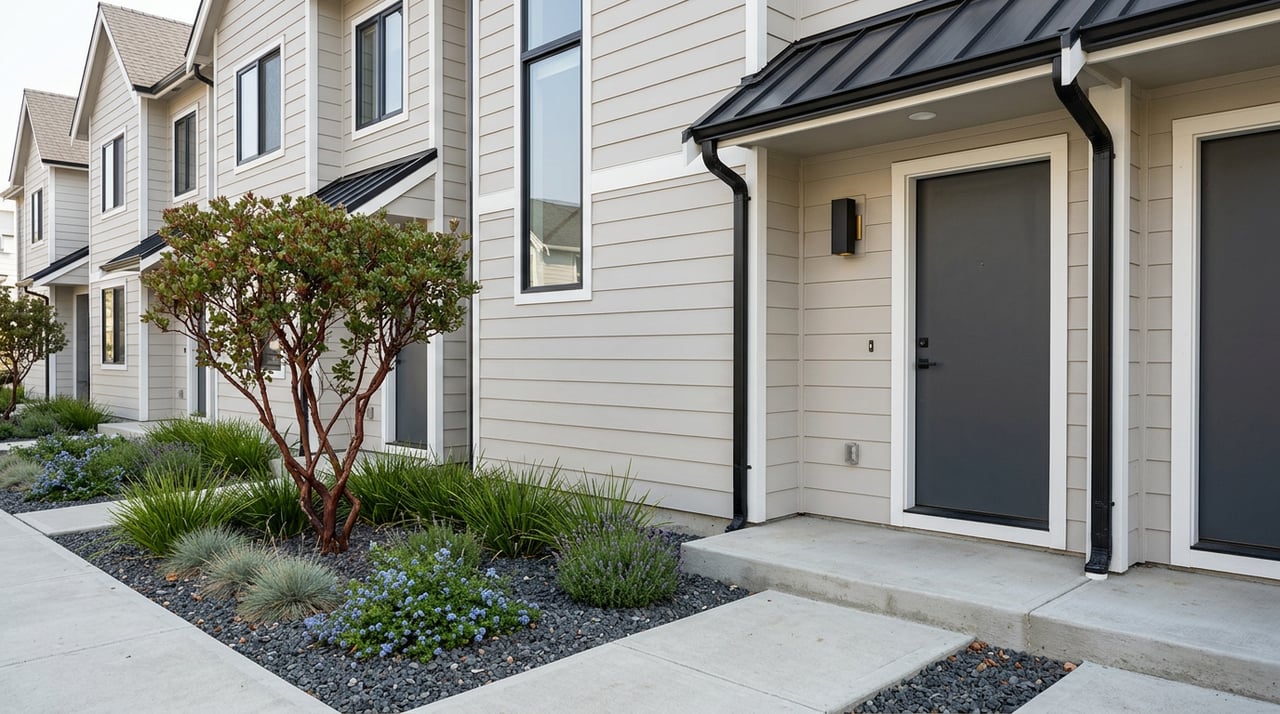
Your Fairfield Condo and Townhome Buying Guide
March 24, 2026
March 24, 2026
Thinking about a condo or townhome in Fairfield? You are not alone. Many buyers choose attached homes here for the lower price point and low‑maintenance lifestyle, but the HOA rules, fees, and financing details can feel overwhelming. In this guide, you will learn how to compare communities, read the numbers, secure financing, and protect your budget with smart inspections and document reviews. Let’s dive in.
Fairfield offers solid value compared with core Bay Area counties, which is why many budget‑conscious buyers look here first. As reported by Redfin, the median sale price for all homes in Fairfield was about $570,000 in February 2026. Attached listings often cluster between roughly $200,000 and $450,000, depending on size, age, and location. Townhouse supply can be limited, so listing medians may swing with a few properties.
Commuting is another draw. You have quick access to I‑80 and the Capitol Corridor rail via the Fairfield–Vacaville station, which adds a train option for Bay Area and Sacramento commutes. You can learn more about the rail connection on the state’s Capitol Corridor overview. Many buyers here are first‑timers, downsizers, or commuters who want a lock‑and‑go lifestyle.
In California, most condo and townhome communities are governed by the Davis–Stirling Common Interest Development Act, which sets disclosure and operating rules for HOAs. You will receive a package of documents that include CC&Rs, bylaws, operating rules, budgets, reserve reports, and statements of assessments. These disclosures are spelled out in California Civil Code §4525.
Ownership differs by structure. A condominium usually gives you ownership of the interior of your unit and a shared interest in the common areas. The exterior, roof, and grounds are typically an HOA responsibility. A townhome can be legally structured as a condo or as a PUD. In a PUD, you may own the exterior and the land beneath the unit, which can change who maintains the roof and siding. Do not rely on marketing labels. Always confirm the legal description and responsibilities in the CC&Rs and the HOA’s master insurance.
Monthly dues vary by community and what is included. In Fairfield, many condo dues fall in the low hundreds, commonly around $200 to $450 per month, but you will also find master associations or small complexes with lower fees and limited amenities. Fees can also be higher where there are pools, clubhouse spaces, or large landscaped common areas.
What HOA dues often cover:
Common red flags include chronically underfunded reserves, repeated special assessments over the past decade, delinquency above 15 percent, major ongoing litigation, or large master‑policy deductibles that could be passed to owners after a loss.
Financing rules for condos are more project‑sensitive than for single‑family homes. Before you write an offer, ask your lender to check the project’s eligibility.
Tip: Do not remove your financing contingency until your lender clears the project review and you have reviewed all HOA documents.
Most associations carry a master property policy that covers common areas and, depending on the policy type, portions of the building structure. You will usually need an HO‑6 condo policy for your interior improvements, personal property, liability, and loss‑assessment coverage. Loss‑assessment coverage helps cover special assessments levied after an insured loss to the association.
California’s disclosure rules require associations to share an insurance summary with buyers. You should receive that in your HOA package under Civil Code §4525.
Order a standard home inspection for the unit and ask targeted questions about shared building elements. Water intrusion, aging roofs, and building‑envelope issues are common triggers for special assessments in older complexes. Ask whether major components were recently replaced or are scheduled soon.
California now requires inspections of exterior elevated elements in condo communities, such as balconies and elevated walkways. Associations must complete these inspections on a set schedule and disclose results. Request any relevant engineer or architect reports and repair plans. You can read a plain‑English summary of the newer requirements in this overview of California HOA safety laws and EEE inspections.
If your inspector notes moisture, settlement, or evidence of prior leaks, ask for related HOA maintenance records or warranty work. Tie inspection findings to the reserve study to confirm the board’s timeline and budget match what you see on site.
Win the unit you want without surprises by following a simple plan:
Pre‑offer
During escrow
Before removing contingencies
Use this quick list to keep your review organized. California Civil Code §4525 outlines much of what you are entitled to as a buyer in an HOA. Exterior elevated element inspection rules are summarized here: California HOA safety laws and EEE inspections.
What to request from the seller or HOA:
Insurance to line up:
Local context to verify:
Ready to find the right Fairfield condo or townhome and move with confidence? Work with a local pro who knows the communities, the documents, and the lending rules. Reach out to Carla Shaheed to get a custom list of on‑market and coming‑soon options and a step‑by‑step purchase plan.

Real Estate
It's more common than you think

Real Estate
A simple breakdown of a common buyer question

Monthly Recap
July 2026 Recap


A guide for navigating one of life's harder transitions
As a Solano County Real Estate expert with unparalleled industry knowledge, experience, and local expertise, I can help you get the best deal when buying or selling a home.