Looking for steady cash flow without the Berkeley or Oakland price tag? If you want a manageable entry point into Bay Area multifamily, San Pablo deserves a close look. You’ll find more approachable purchase prices, solid renter demand, and financing paths that favor house-hackers and small investors. In this guide, you’ll see real price ranges, realistic rents, sample underwriting, financing options, local regulations to know, and a step-by-step due diligence checklist. Let’s dive in.
Why San Pablo for small multifamily
San Pablo sits inside the Oakland–Hayward–Berkeley metro and has a large share of renter households, which helps support consistent demand. The city’s pricing is typically well below core Berkeley and many Oakland neighborhoods, giving you a lower cost of entry with room to add value over time. You get proximity to major employment centers while staying out of the highest bid zones.
Average asking rents across the city trend in the low $2,000s, with many 1- to 2-bedroom units landing roughly between $1,800 and $2,500, depending on condition and location. You can review current citywide averages through resources like the RentCafe market snapshot for context on rent levels and trends. RentCafe’s San Pablo overview tracks those figures.
What you can buy today: price ranges and comps
Small multifamily inventory in San Pablo is limited, so pricing can move fast. Many buildings were built in the 1950s–1960s and range from basic “buy and hold” to light value-add.
Here is a realistic snapshot of what buyers often see:
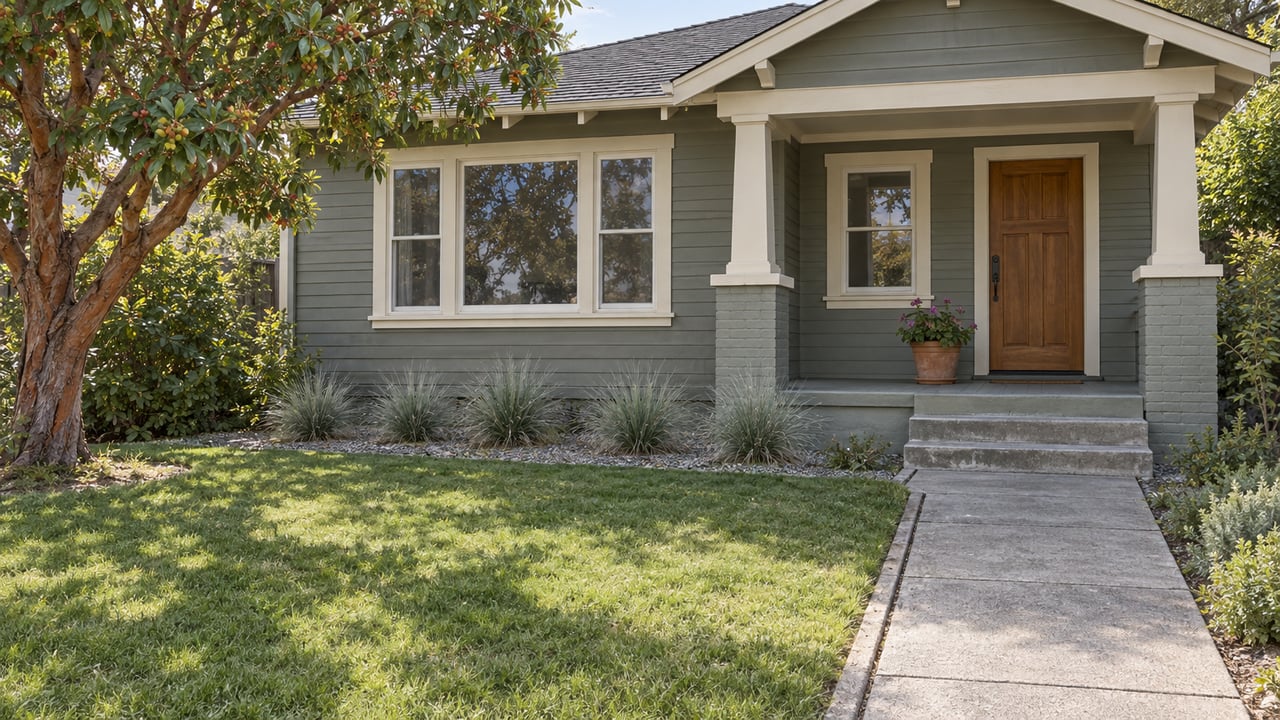
- Duplexes: mid six figures for older product that is rentable but may need updates. Recent public records show examples around $600,000 for smaller duplexes in average condition.
- Triplexes: often priced between duplexes and quads, with noticeable variation based on unit mix and condition.
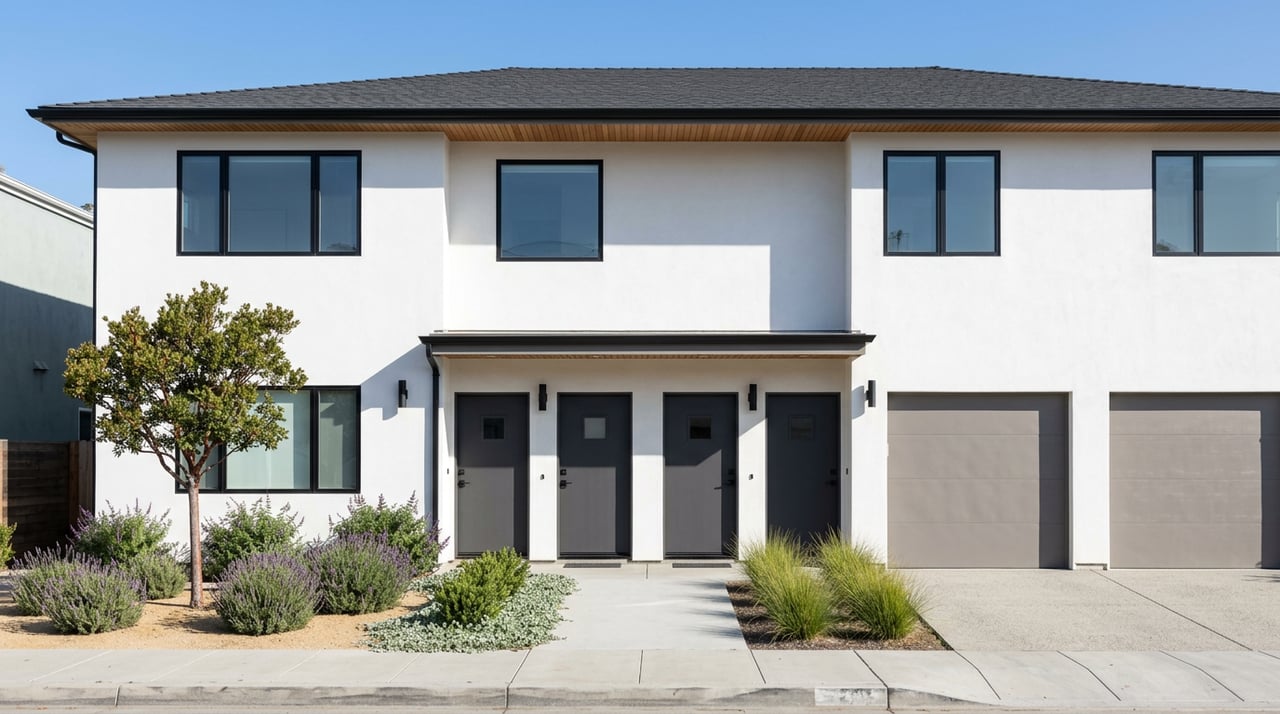
- Fourplexes: commonly $700,000–$1.2M depending on location, unit sizes, and condition. Central and amenity-adjacent locations can push to the higher end.
Representative recent examples from public records include a central San Pablo multi-unit sale near the mid-to-high six figures and a fourplex on or near primary corridors that hovered around the million-dollar mark. Use fresh, property-level comps when you underwrite a specific address, since citywide medians can mask the spread for 2–4 unit buildings.
Rentability and quick underwriting
Underwrite conservatively. Start with current market rents for the exact unit types you are buying, then layer in vacancy and operating costs.
Working assumptions many investors use locally:
- Rents: $1,800–$2,500 per unit for many 1–2 bedroom units in San Pablo subareas. Check live listings and verified sources such as RentCafe’s San Pablo averages.
- Vacancy: 5–8% for stabilized small buildings. Stress test at 8–10% in softer pockets or during turnover.
- Expenses: 30–45% of effective gross income for small, owner-managed assets, factoring taxes, insurance, utilities you pay, repairs, trash, and management.
- Cap rates: Small East Bay assets often trade in a ~4%–7%+ band depending on location, condition, and upside. Focus on the building’s actual or pro forma net operating income when you set offer price.
Sample pro forma on an $800k fourplex
This quick sketch shows how the math can pencil when you buy right and manage expenses.
- Purchase price: $800,000
- Market rent assumption: $2,000/unit x 4 = $8,000/month → Potential Gross Income: $96,000/year
- Vacancy at 5%: $4,800 → Effective Gross Income: $91,200
- Operating expenses at 40%: $36,480
- Net Operating Income (NOI): $54,720
- Implied cap rate: NOI ÷ Price ≈ 6.8%
Adjust rents, vacancy, or expenses and you will see the cap rate move quickly. Run at least three scenarios before you write an offer.
Financing paths that work
You have several ways to structure a 2–4 unit purchase, especially if you plan to live in one unit.
- FHA owner-occupied loans: You can buy 2–4 units with as little as 3.5% down if you will live in the property, subject to program standards and extra rules on 3–4 unit deals. Many buyers can use qualifying rental income from other units. Review the details in this FHA summary on multi-unit purchases: FHA 2–4 unit overview.
- Conventional owner-occupied loans: Recent underwriting updates made it possible in many cases to buy 2–4 units with as little as 5% down when you occupy one unit. Lenders apply their own overlays, so confirm terms and reserves with a local lender. For background on this shift, see Mortgage News Daily’s coverage and a practical lender summary at VanDyk Funding.
- Investor loans (non-owner occupied): Expect larger down payments, commonly 25% or more, or consider DSCR/non-QM options that underwrite to property cash flow. Terms vary by lender; this DSCR explainer outlines typical structures and requirements: DSCR loans for 2–4 units.
House-hacking is the most capital-efficient entry point for many buyers in San Pablo. Living in one unit while renting the others can significantly offset your housing cost and help you build equity.
Regulations to know before you buy
California’s Tenant Protection Act, AB 1482, limits most annual rent increases to 5% plus regional CPI, capped at 10% in most years, and sets just-cause eviction rules for covered units. Some properties are exempt based on age, type, and ownership. Review the state summary and confirm coverage for each property you consider. See this clear overview: AB 1482 summary.
In San Pablo specifically, tenant groups submitted signatures in 2024 to place a local rent-stabilization and tenant-protection measure on the ballot. This signals active local organizing, so always verify the current status before you rely on older assumptions. Here’s a news recap for context: CBS Bay Area coverage of San Pablo rent control activity. For local guidance and contacts, visit the city’s housing page and confirm any ordinances, fees, and processes that may affect your plans: City of San Pablo Housing.
Property conditions: what to inspect
Many small multifamily buildings in San Pablo date to the 1950s–1960s. Common big-ticket items include aging roofs, older electrical panels, original or outdated plumbing, single-pane windows, and older heating systems. Plan for repairs or replacements over your hold period and get bids during escrow whenever possible.
Seismic risk should be on your radar. San Pablo sits near the Hayward Fault zone, so older wood-frame buildings may benefit from retrofit work, bracing, and earthquake insurance. For general location context, start with San Pablo’s city profile and engage qualified structural pros for property-specific advice.
Due diligence checklist
Run this checklist before you remove contingencies. It will save you from surprises and help you price risk accurately.
- Rent roll and leases: Collect 12–24 months of rent history, current leases, and payment proofs. Cross-check to bank deposits.
- Property taxes: Review the last 3 years of bills and any special assessments. Model your new assessed value after purchase.
- Physical inspections: General home inspection plus separate roof, pest/termite, electrical, plumbing, and HVAC reviews. Budget for immediate repairs.
- Sewer lateral: Confirm condition and any local sale or permit-triggered compliance requirements.
- Utilities and metering: Identify what the owner pays vs. tenants. Confirm separate meters or submeter options and associated costs.
- Zoning and permits: Verify use, parking, and whether any conversions or improvements were permitted. The city can confirm allowable uses and past permits.
- Compliance and safety: Smoke and CO detectors, egress, water heater bracing, and any open code cases or nuisance complaints.
- Legal framework: Confirm whether AB 1482 applies, whether the property is exempt, and whether any local rules add requirements. Start with this AB 1482 overview and confirm with the city.
San Pablo vs. nearby East Bay options
- Price: San Pablo typically trades at lower prices than many parts of Berkeley and Oakland. That can open the door for first-time investors who want 2–4 units without seven-figure starting bids.
- Rents and demand: Rents are lower than core Oakland/Berkeley but are still strong relative to inland markets, supported by a high renter share. Citywide averages in the low $2,000s align with many real-world 1–2 bedroom units. See RentCafe’s San Pablo rent data for a current snapshot.
- Strategy: San Pablo works well for small portfolios and house-hackers who plan light value-add: interior refreshes, in-unit laundry where feasible, curb appeal, and compliance upgrades. If your priority is blue-chip appreciation plays and you can handle higher acquisition costs, certain Berkeley and Oakland areas may fit that plan, though they will likely require more capital.
Smart next steps
- Define your budget and financing path: FHA house-hack, 5% down conventional owner-occupied, or investor/DSCR.
- Build conservative pro formas for 2–3 rent and expense scenarios.
- Line up inspections and bids for major systems before removing contingencies.
- Confirm AB 1482 coverage and check for any current local ordinances with the city.
- Engage a local, investor-friendly agent who understands underwriting, rent rolls, and value-add scope.
If you are weighing a San Pablo duplex, triplex, or fourplex, let’s talk about your numbers, financing, and the right offer strategy. When you are ready to move, you need fast answers, clean comps, and a clear plan. Connect with Carla Shaheed to start your search and run the numbers on your short list.
FAQs
What cap rate should I expect on a small multifamily in San Pablo?
- Many small East Bay assets trade around 4%–7% depending on location and condition, so focus on your building’s actual or pro forma NOI and test multiple rent and expense scenarios.
Can I use rental income to qualify for a duplex mortgage if I live in one unit?
How does AB 1482 limit rent increases in San Pablo?
- For covered units, AB 1482 caps most annual increases at 5% plus regional CPI (up to 10% in most years) and sets just-cause rules, with exemptions based on property type and age; review this AB 1482 summary and verify coverage for each address.
What inspections are most important for a 1950s–1960s fourplex in San Pablo?
- Prioritize roof, pest/termite, electrical panel and wiring, plumbing supply and sewer lateral, HVAC, and a structural review with seismic considerations due to proximity to the Hayward Fault.
Is San Pablo a good market for house-hacking a 2–4 unit property?
- Often yes, because entry prices are lower than many nearby cities and you can pair that with FHA or 5% down conventional financing while renting the other units to offset housing costs.
Do I need city permits to add in-unit laundry or re-meter utilities?
- Most scope that alters electrical, plumbing, or structural elements requires permits, so check zoning, allowable uses, and permit history with the City of San Pablo before you bid or start work; the city’s Housing page is a good starting point for contacts and local guidance.