Thinking about buying your first place in San Pablo and lowering your monthly housing cost with rental income? House hacking can help you live in one unit while your tenants help pay the mortgage. It is a practical way to enter the East Bay market and start building equity sooner. In this guide, you will learn the best strategies that work in San Pablo, how to run the numbers, and which financing options fit owner‑occupants. Let’s dive in.
What house hacking means in San Pablo
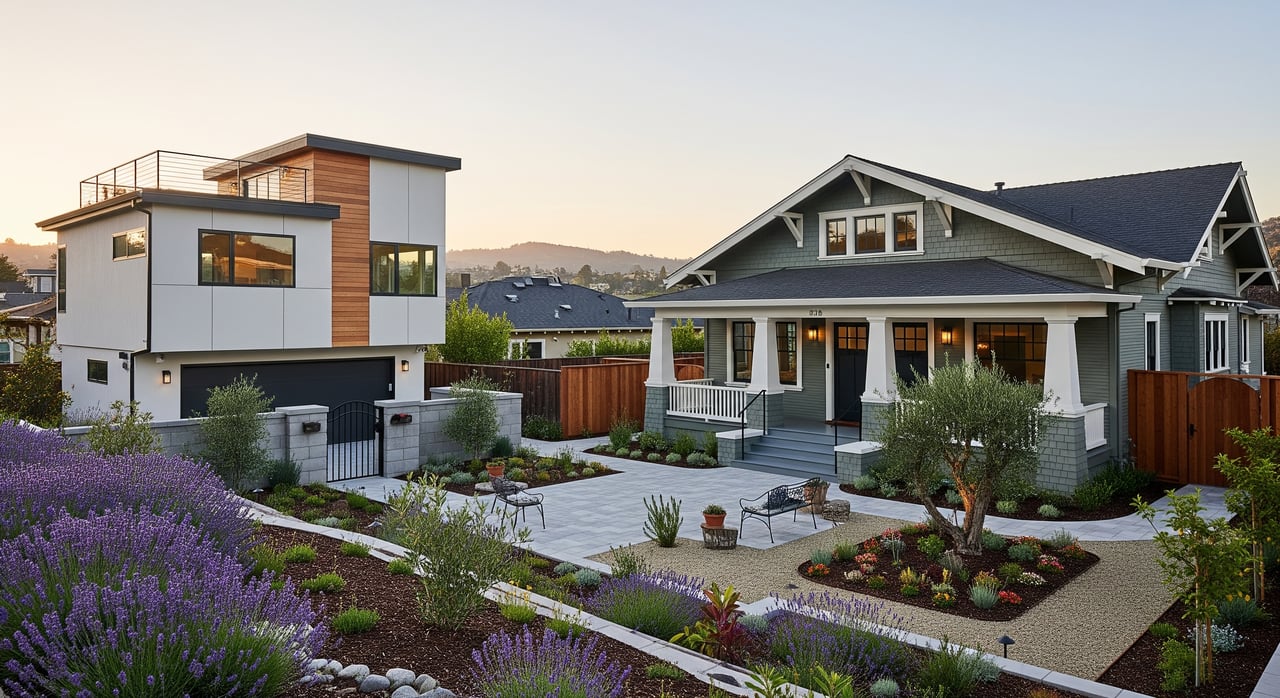
House hacking is when you live in a home and rent part of it to offset your costs. In San Pablo, the most common paths are duplexes and 2–4 unit properties, older small multifamily buildings, and single‑family lots where you can add an accessory dwelling unit (ADU) or a junior ADU (JADU).
San Pablo sits in the East Bay, near Richmond, with market trends influenced by the broader Oakland–Hayward–Berkeley metro. Prices here are often lower than in Oakland and Berkeley but reflect Bay Area construction and lending conditions. The right property and plan can make your monthly payment more manageable while you build long‑term wealth.
Zoning matters. Some parcels allow duplexes or 2–4 units, while single‑family zones may allow ADUs under California’s state ADU rules. Always verify zoning, parking, and utility requirements with the City of San Pablo before you buy or build.
Top strategies that work
Live in a duplex or 2–4 unit
You live in one unit and rent the others. This can produce meaningful income that offsets mortgage, taxes, insurance, and upkeep. Owner‑occupant financing options exist for 1–4 unit properties. Plan for code compliance, separate utilities or metering where possible, and clear leases. If you self‑manage, your on‑site presence can simplify maintenance and communication.
Build or convert an ADU
An ADU is a separate dwelling on the same lot. A JADU is smaller and often within the existing home. State ADU laws have widened access across many California cities, which can make an ADU a flexible income source. Budget for design, permits, impact fees where applicable, and utility connections. In many cases, parking requirements are reduced for ADUs near transit. Construction costs in the Bay Area can be high, so get contractor bids early and confirm timelines with the city.
Live in 3–4 units
A 3–4 unit property works like a duplex but at a larger scale. You may see stronger income potential if units rent at market rates and financing terms are favorable. Expect more systems to maintain, more frequent turnover, and added complexity with compliance and inspections.
Run the numbers with confidence
Before you tour properties, get comfortable with the math. Here are the basics you will use:
- Gross scheduled rent (GSR) = total monthly rents multiplied by 12.
- Vacancy allowance = GSR multiplied by a vacancy rate. Use 5–10 percent as a rule of thumb.
- Effective gross income (EGI) = GSR minus vacancy allowance plus other income like laundry or parking.
- Operating expenses = property taxes, insurance, maintenance, owner‑paid utilities, management fees, HOA, and reserves.
- Net operating income (NOI) = EGI minus operating expenses. This does not include your mortgage principal and interest.
- Cap rate = NOI divided by purchase price. Use it to compare properties.
- Cash‑on‑cash return = annual pre‑tax cash flow divided by your cash invested.
- Debt service coverage = NOI divided by your annual mortgage payments.
Sample San Pablo pro forma (illustrative)
This example is for illustration only. Use your lender’s numbers and current local rents when you analyze a specific property.
Scenario: You buy a duplex and live in one unit. The other unit rents for 2,000 per month.
- GSR: 2,000 × 12 = 24,000 per year.
- Vacancy (7 percent): 1,680.
- EGI: 24,000 − 1,680 = 22,320.
- Operating expenses (annual estimates):
- Property tax at about 1 percent of purchase price. If price is 700,000, taxes start near 7,000.
- Insurance: 2,000.
- Maintenance and repairs: 1.5 percent of value. If price is 700,000, set 10,500.
- Owner‑paid utilities and common areas: 1,200.
- Management: 0 if self‑managing. If you hire a manager, plan 8–12 percent of collected rent.
- Total example operating expenses: about 20,700.
- NOI: 22,320 − 20,700 = 1,620.
Your mortgage principal and interest are paid from cash flow after NOI. Even if cash flow is breakeven or negative, the tenant’s rent can significantly lower your out‑of‑pocket housing cost while you build equity and benefit from potential tax deductions. Run a second scenario with higher rent or a 3–4 unit to see the impact of multiple income streams.
Typical expenses to include
- Mortgage principal and interest. Your rate, down payment, and term drive this.
- Property taxes. California assessments typically start near 1 percent of assessed value, plus any local parcel taxes.
- Insurance. Owner‑occupied multi‑unit policies differ from single‑family and landlord policies.
- Maintenance and repairs. Use 1–2 percent of property value per year or a per‑unit monthly estimate based on age and condition.
- Utilities. Budget for what you pay, including common areas or any unmetered services.
- Vacancy and turnover. Plan 5–10 percent for vacancy and set money aside for unit turns.
- Property management. Expect 8–12 percent of collected rent if you outsource.
- HOA fees. If applicable.
- Capital reserves. Keep a fund for big systems like roof, plumbing, and HVAC.
Financing paths for owner‑occupants
FHA loans for 1–4 units
FHA financing allows you to buy a 1–4 unit property if you live in one unit as your primary residence. A key benefit is a low down payment option of 3.5 percent for borrowers who meet FHA guidelines. FHA underwriting may allow a portion of projected rent to count toward qualifying. You must plan to occupy within a set period and meet minimum property standards. FHA loans include upfront and annual mortgage insurance, and county loan limits apply in Contra Costa County.
Conventional loans
Conventional mortgages can also finance 2–4 unit owner‑occupied purchases. Down payment, reserves, and pricing vary by lender and your credit profile. With strong credit and income, conventional terms may be competitive, especially if you can reduce or avoid mortgage insurance.
Renovation and ADU financing
If you plan to repair units or add an ADU, look at FHA 203(k), Fannie Mae HomeStyle Renovation, construction‑to‑permanent loans, a HELOC or home equity loan, or a cash‑out refinance once you have equity. Lenders usually require permits, plans, and contractor bids for renovation programs. Confirm whether projected ADU rent can be considered in qualifying, since policies vary.
Rules, permits, and tenant protections
- Zoning and permits. Duplexes and small multifamily are allowed only in certain zones. Single‑family zones may allow ADUs under state law, subject to setbacks, utilities, and design standards. Confirm details, parking, and timelines with the City of San Pablo.
- State ADU framework. California has streamlined ADU permitting and limited some local restrictions. Many sites qualify, but you still need to meet local requirements and pay applicable fees.
- Tenant protections. California’s Tenant Protection Act places limits on many rent increases and requires just cause for many evictions, with some exemptions. Follow state habitability standards and notice timelines, and verify any local rules in San Pablo or Contra Costa County.
- Security deposits. California limits residential deposits, typically up to two months’ rent for unfurnished units and three months for furnished.
- Insurance and licensing. Your lender may require specific coverage for owner‑occupied multifamily. Check with the city or county to see if a rental business license or registration is required.
Step‑by‑step plan to start
- Assess readiness. Review credit, savings, debt, and your comfort level managing tenants.
- Study the market. Look at recent sales and realistic rents in San Pablo and nearby areas.
- Get preapproved. Speak with lenders who do FHA 1–4 unit and renovation or ADU financing.
- Search smarter. Filter for duplexes and 2–4 units, plus single‑family lots with ADU potential.
- Underwrite conservatively. Use vacancy of 5–10 percent, maintenance of 1–2 percent of value, and include management costs if you will not self‑manage.
- Inspect and scope. Order a thorough inspection and get contractor bids for repairs or ADUs.
- Confirm permits. Visit or call San Pablo’s planning counter for zoning, fees, and timelines.
- Close and comply. Meet owner‑occupancy timelines, set up leases, and fund reserves.
- Operate well. Track income and expenses, stay on top of maintenance, and monitor local laws.
Risks and how to reduce them
- Cash flow surprises. Keep 3–6 months of expenses in reserves and model conservatively.
- Permit delays. Engage experienced local contractors and confirm requirements before you buy.
- Law changes. Follow updates to state and local tenant rules, or hire a manager or attorney.
- Financing shifts. Get solid preapproval and confirm down payment and reserve needs early.
- Inspection issues. Use contingencies and plan for code compliance or older‑home upgrades.
Quick takeaways checklist
- Verify zoning and ADU rules for the specific parcel before assuming income.
- Ask lenders about FHA owner‑occupant programs for 1–4 units and how projected rent is treated.
- Model vacancy at 5–10 percent and maintenance at 1–2 percent of value.
- Include management fees if you will outsource day‑to‑day operations.
- Follow California tenant protections and any local ordinances that apply in San Pablo.
- Consult planning and a contractor early for ADU feasibility and permitting timelines.
Next steps
If you want a clear plan for house hacking in San Pablo, you do not have to figure it out alone. From pinpointing the right property type to running a solid pro forma and navigating financing, local guidance can save you time and money. Reach out to schedule a conversation with Carla Shaheed and map your next move.
FAQs
Can I use an FHA loan to buy a duplex in San Pablo?
- Yes. FHA financing allows 1–4 unit purchases for owner‑occupants, subject to loan limits, property standards, and an occupancy requirement.
Are ADUs allowed on single‑family lots in San Pablo?
- California state law broadly enables ADUs, but site‑specific rules still apply. Confirm setbacks, utilities, parking, and fees with the city before you build.
How much projected rent can count when I qualify for a loan?
- Policies vary by program and lender. FHA may allow a portion of market rent for vacant units and documented rent for leased units. Ask your lender for specifics.
Is San Pablo subject to rent control?
- Statewide tenant protections apply in many situations. Check whether any local ordinances or exemptions affect your property and lease type.
How much should I keep in reserves for a house hack?
- A common guideline is 3–6 months of total expenses plus extra for capital repairs, with higher reserves often required for multi‑unit financing.
Do I need a rental business license to lease a unit in San Pablo?
- Some cities require landlord licensing or registration. Confirm current requirements with the City of San Pablo before you rent out a unit.