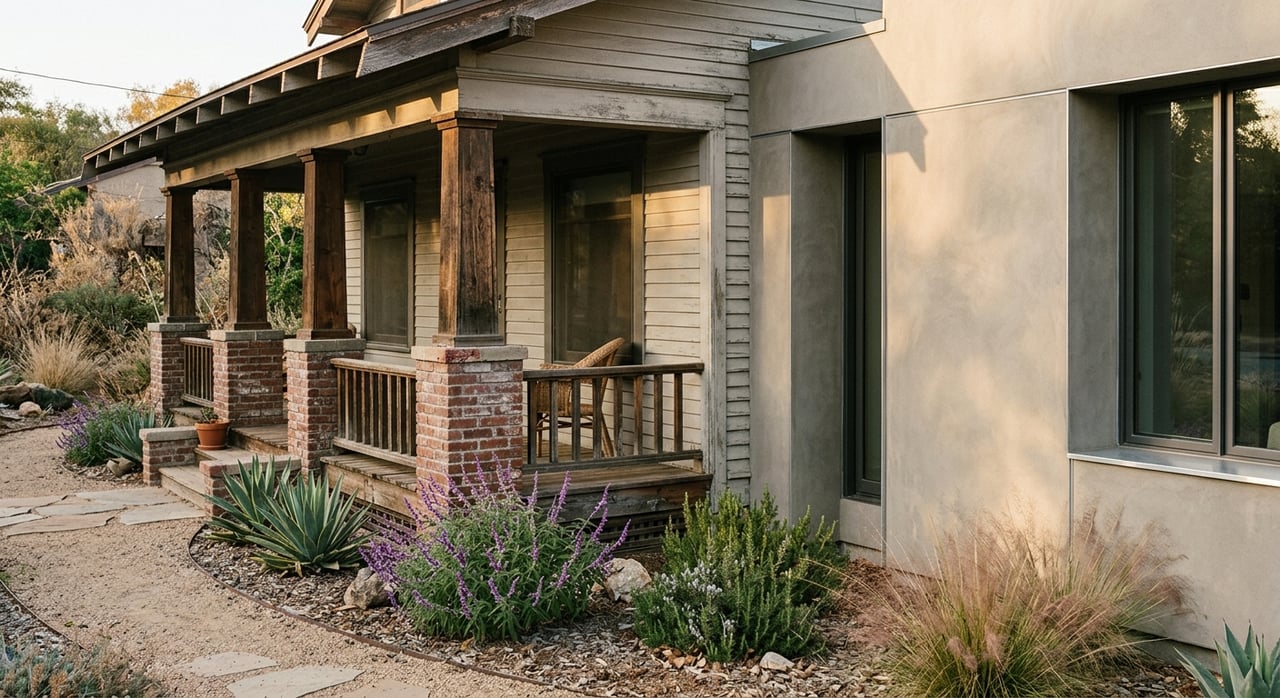
Older vs Newer Homes in Vallejo: How to Choose
May 14, 2026
May 14, 2026
If you are torn between a charming older house and a more modern home in Vallejo, you are not alone. This city offers a real mix of housing styles, from historic neighborhoods near downtown and the waterfront to newer planned communities with more standardized layouts. The right choice depends less on age alone and more on how you want to live, what you want to spend over time, and how much work you are comfortable taking on. Let’s dive in.
Vallejo is not a market where one type of home dominates. The city is known for both restored Victorian homes and newer homes in areas such as Northgate and Hiddenbrooke. It also includes nationally significant historic districts like Mare Island, the Vallejo Heritage District, St. Vincent's Hill Historic District, and the Vallejo Old City District.
That mix gives you real options. Older neighborhoods closer to downtown and the waterfront tend to have a more traditional street grid and a wide range of home styles. Neighborhoods farther out are generally more suburban in layout, with curving streets and housing that feels more uniform.
For budget context, recent Census QuickFacts place Vallejo’s owner-occupied housing rate at 57.4% and the median value of owner-occupied homes at $589,500. That does not set the price of every home, but it does give you a useful local baseline as you compare older and newer properties.
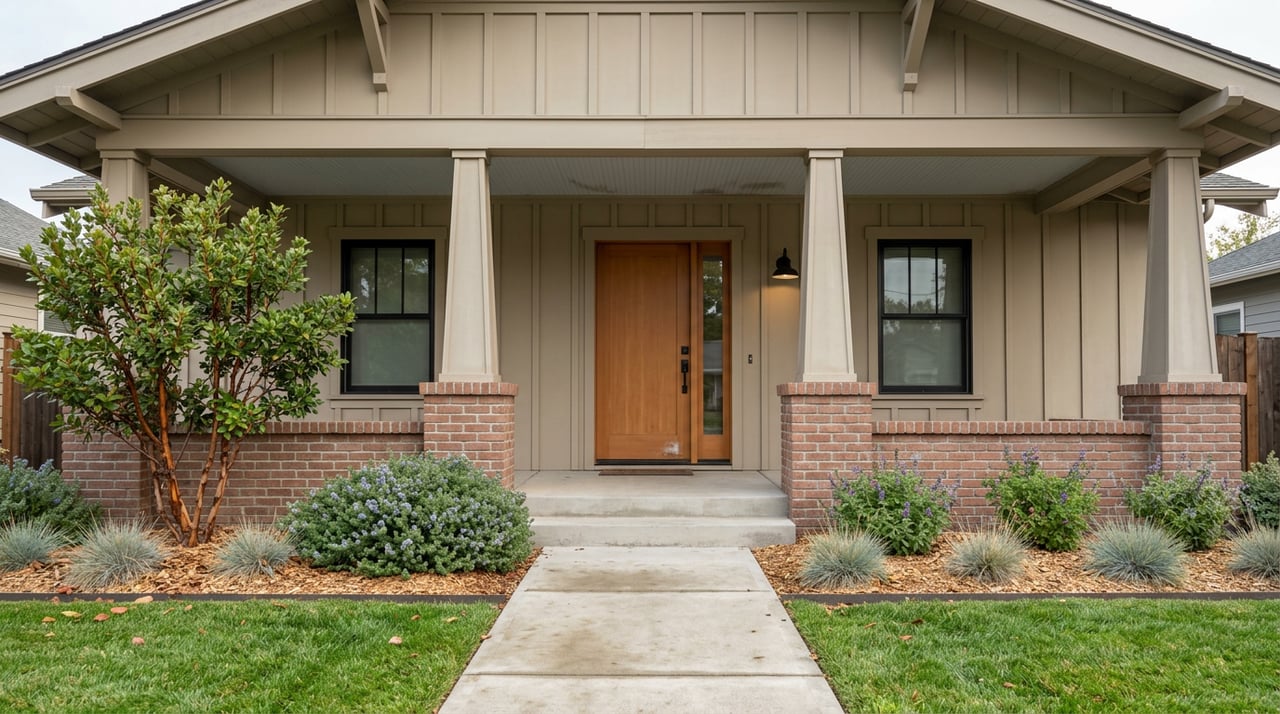
Older homes in Vallejo often attract buyers who want character, variety, and a setting that feels established. In many central neighborhoods, the housing mix includes single-family homes, duplexes, four-plexes, and smaller apartment buildings. That variety can create a streetscape and neighborhood feel that is very different from a newer subdivision.
If you love original architecture, mature surroundings, and a home that does not look like every other one on the block, older housing may feel like a better fit. In Vallejo, that often means your decision is about more than square footage. It is also about the style of the home and the surrounding neighborhood pattern.
The biggest issue with an older home is usually not just its age. It is the condition of the property and how well it has been maintained over time. A home’s age can signal future maintenance needs, especially for major systems like roofing or HVAC.
That means you should look closely at current condition, repair history, and likely replacement timing. A beautiful older home can still be a smart purchase, but you may need to budget more carefully for near-term updates or repairs.
When you look at an older Vallejo home, permit history is an important due diligence item. The City of Vallejo provides permitting and inspection services for renovations, alterations, and remodels. If work was done over the years, you will want to understand what was updated and whether it went through the proper process.
This is especially important if you see additions, reconfigured interiors, or major system upgrades. A well-maintained older home with clear renovation history may feel very different from one with unknown work or deferred maintenance.
Homes built before 1978 are more likely to contain lead-based paint. Renovation, repair, or painting work in those homes can create hazardous lead dust, which is one reason older homes call for careful planning.
Vallejo’s Water Quality Division also notes that lead can leach from pipes or fixtures that contain the metal, which are more likely in older homes. That does not mean every older home has a serious issue, but it does mean age-related materials should be part of your inspection and renovation conversation.
In California, earthquake readiness matters. Older houses can be more vulnerable to sliding off their foundations during shaking, and a brace-and-bolt retrofit can help reduce that risk.
The California Earthquake Authority says retrofit grants of up to $3,000 may be available, and some retrofitted older houses may qualify for earthquake insurance premium discounts of up to 25%. If you are considering an older Vallejo home, it is worth asking whether seismic retrofit work has already been done or may be needed.
Newer homes in Vallejo often appeal to buyers who want a more turnkey ownership experience. The city’s newer-home story is tied to planned development and redevelopment areas, including places like Hiddenbrooke and parts of Mare Island. Current city planning also shows that newer housing remains part of Vallejo’s future pipeline.
In practical terms, newer homes often come with more consistent layouts, modern room flow, and features designed for how many buyers live today. A current subdivision proposal in Vallejo, KB Rollingwood, includes single-family homes with attached one-car garages and optional loft or den conversions. That is a strong example of how newer homes often prioritize flexibility and standardized design.
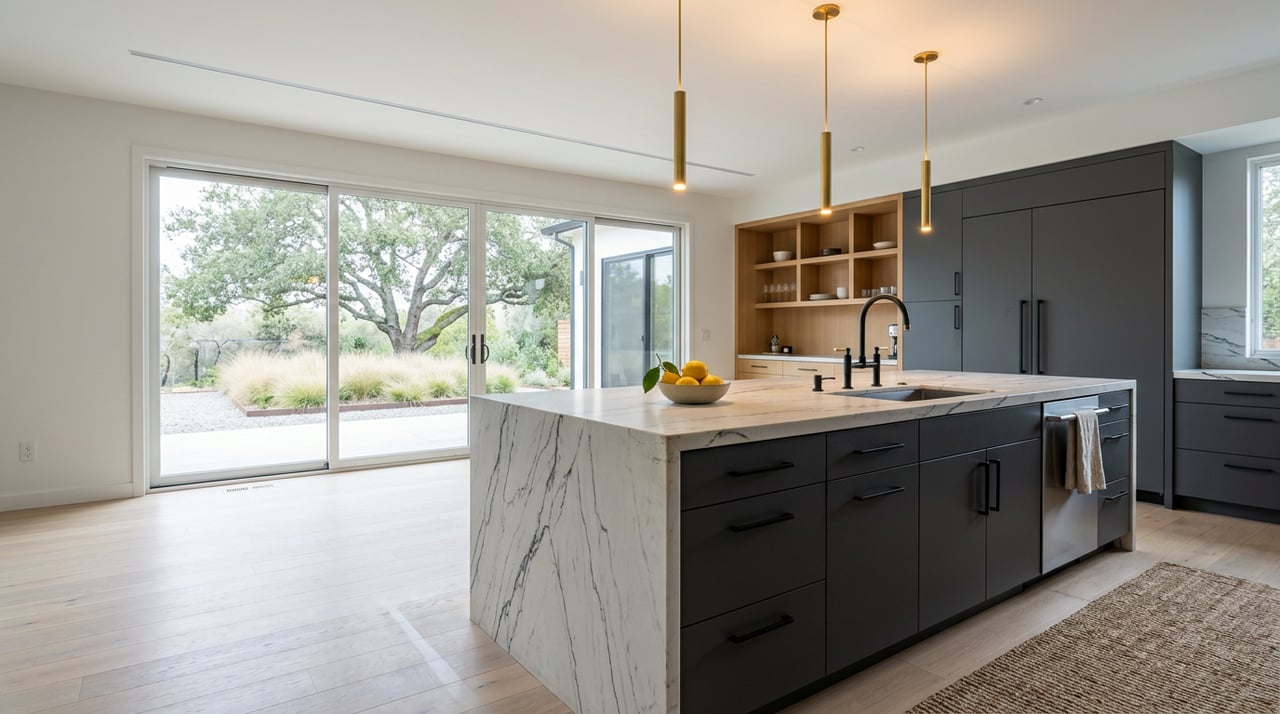
If you value open living spaces, attached garages, and floor plans that support home offices, flex rooms, or easy entertaining, newer homes may check more of your boxes right away. They often require fewer immediate design changes to fit current lifestyles.
That does not mean every newer home is better designed for every buyer. It simply means the layout is often more aligned with modern expectations from the start.
One of the biggest practical advantages of newer homes is energy performance. California’s 2025 Energy Code took effect on January 1, 2026 for new buildings and major renovations. According to the California Energy Commission, the updated code improves wall and window efficiency, encourages heat pumps for space and water heating, strengthens ventilation, and expands electric-ready requirements.
For you as a buyer, that means a newer Vallejo home is more likely to begin closer to current energy-code standards. An older home may still become efficient over time, but it often takes upgrades such as insulation, air sealing, HVAC improvements, or other retrofits to get there.
Newer homes are not maintenance-free, but they often come with fewer immediate replacement questions. Roofs, windows, plumbing, and HVAC systems are generally newer, which can make the first few years of ownership feel more predictable.
That can be especially helpful if you want to avoid stacking a mortgage payment on top of a long list of early repairs. For many buyers, that peace of mind is part of what they are really paying for.
If long-term operating cost matters to you, this is one of the biggest areas to compare carefully. Many older homes have less insulation than homes built today, and a home energy assessment can help identify gaps in insulation and air sealing.
That matters because comfort and utility costs can shape how a home feels after move-in. An older Vallejo home may offer charm or a lower purchase price in some cases, but it may also need a larger reserve for comfort and efficiency improvements.
Newer homes often begin with a better baseline in this area. That can make monthly ownership feel simpler, even if the upfront purchase price is higher.
A lot of buyers ask whether older or newer homes appreciate faster. In reality, age alone is not the main driver of value. Condition, size, design, neighborhood characteristics, location, market trends, and access to jobs, amenities, transportation, and environmental factors all help shape value.
In Vallejo, that means a well-kept older home in a historic area can perform very differently from an outdated older property with deferred maintenance. The same is true on the newer-home side. A newer home that matches buyer demand and is well maintained may compete strongly, but there is no simple rule that newer always wins.
The better question is whether the home fits local demand, has been cared for, and works well within its neighborhood. In Vallejo, both older and newer homes can be strong choices when those pieces line up.
If you are deciding between an older and newer home in Vallejo, it helps to focus on your day-to-day priorities instead of just the listing photos. Ask yourself what matters most in the first few years of ownership.
You may lean toward an older home if you want:
You may lean toward a newer home if you want:
In Vallejo, older homes often suit buyers who care most about character, location, and the opportunity to improve a home over time. Newer homes often suit buyers who want easier near-term ownership, more current energy performance, and layouts that already match modern living.
Neither path is automatically better. The right choice depends on your repair budget, how long you plan to stay, and how much value you place on charm versus convenience.
This is where local guidance can make a real difference. In a mixed-age market like Vallejo, two homes at similar price points can lead to very different ownership experiences depending on condition, permits, retrofits, and location.
If you want help comparing the real cost and lifestyle trade-offs between older and newer homes in Vallejo, Carla Shaheed can help you look beyond surface-level features and make a confident decision.
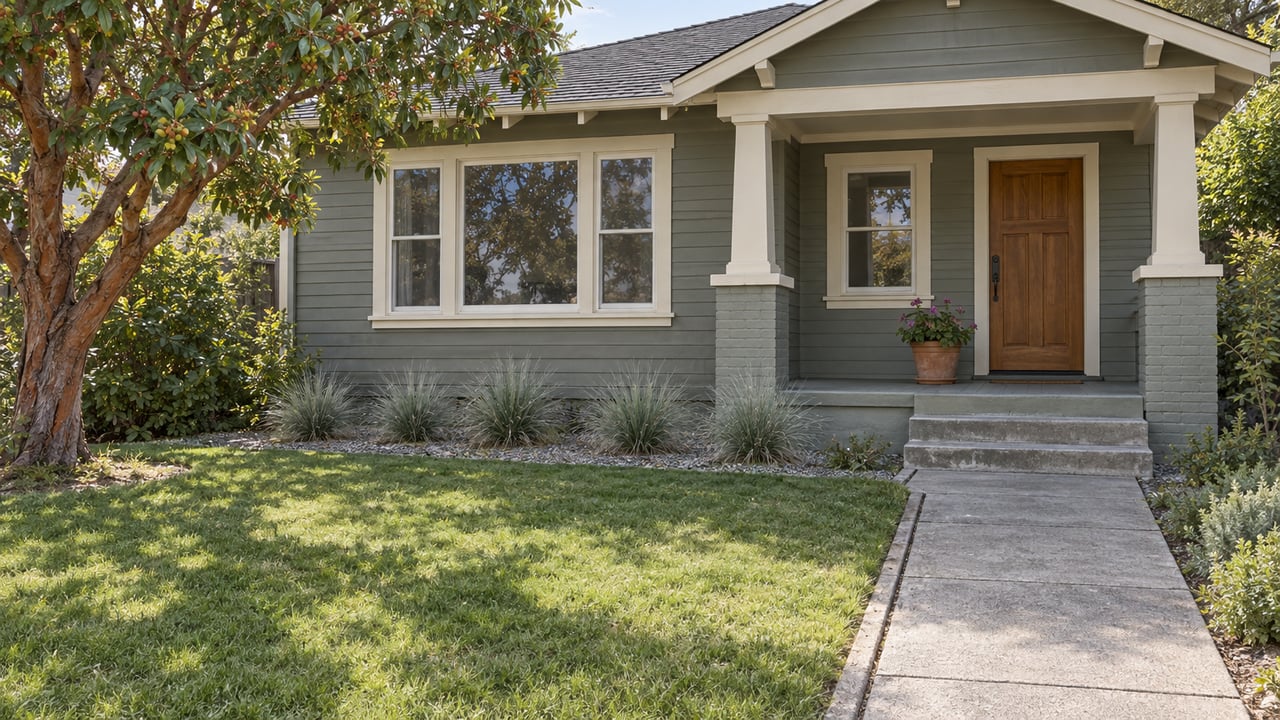

Monthly Recap
Solano County Highlights: September 2026

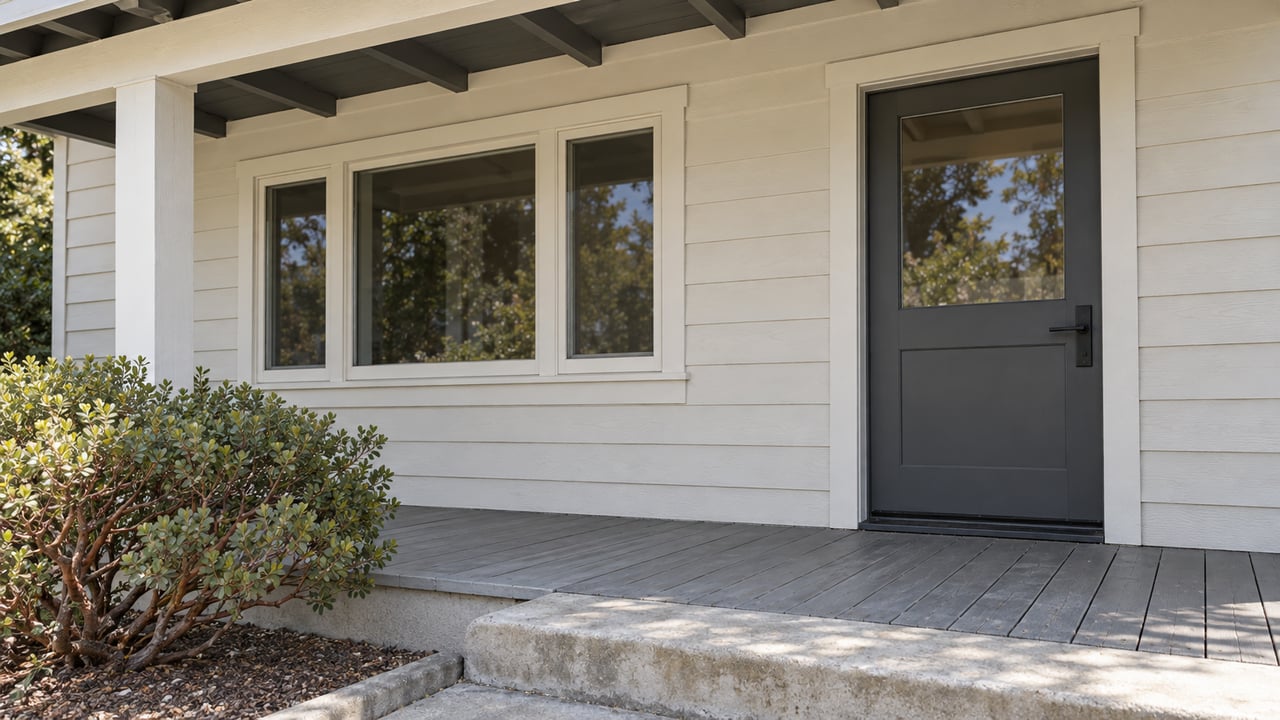
Life Transition Real Estate
Expert Guidance for Probate, Divorce, Downsizing, Estate Sales & Other Major Life Transitions
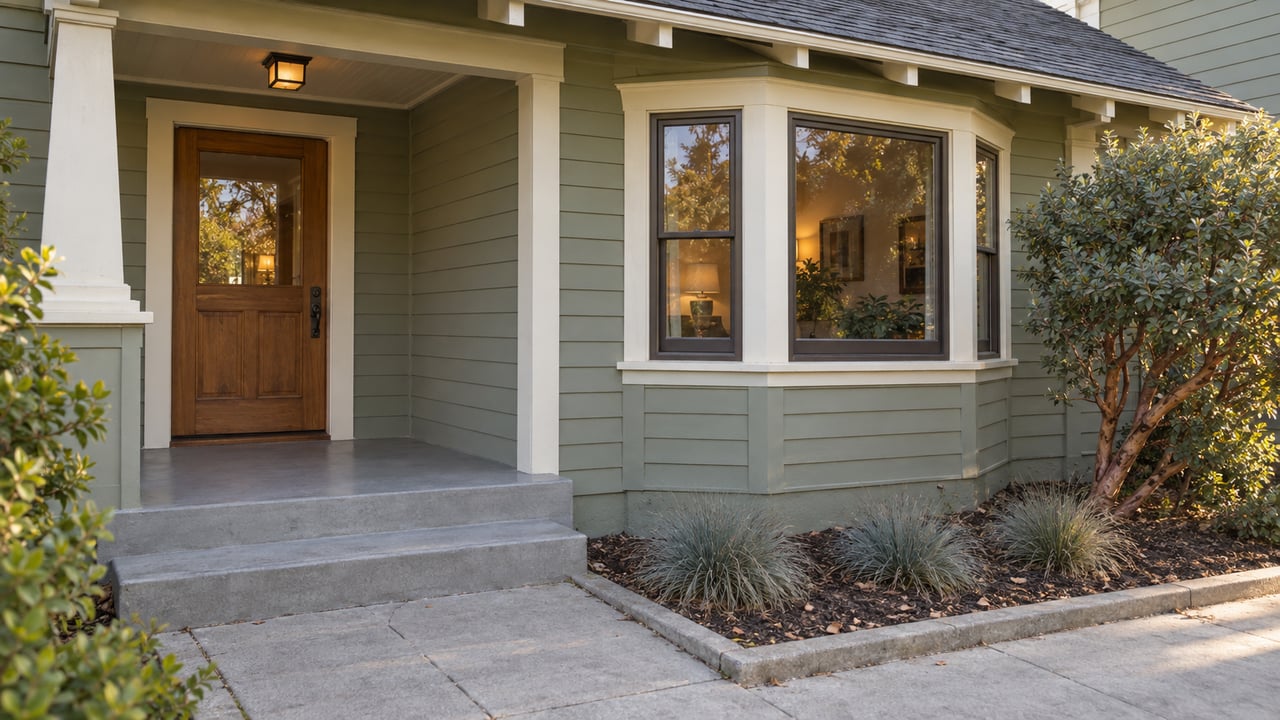

Real Estate

As a Solano County Real Estate expert with unparalleled industry knowledge, experience, and local expertise, I can help you get the best deal when buying or selling a home.