Is Hercules CA Commuter Living the Right Fit?
May 21, 2026
May 21, 2026
Wondering if you can get more space without giving up access to the Bay Area? That is exactly why many buyers look at Hercules. If you want a suburban setting, multiple commute options, and home prices that often sit below Berkeley and Oakland, Hercules deserves a closer look. Here’s what to know before you decide if this Contra Costa city fits your daily routine and long-term goals.
Hercules sits along the I-80 corridor on San Pablo Bay and is served by State Highway 4, which gives you access to major regional routes. The city describes itself as primarily suburban and notes long-term plans for a new town center, waterfront, and future train and ferry terminal.
For many Bay Area buyers, that mix matters. You get a more suburban housing environment than many inner East Bay locations, while still having practical ways to reach San Francisco and East Bay job centers.
A big part of Hercules’ appeal is that you are not limited to just one commute strategy. Depending on where you work, you may be able to drive, take an express bus, connect to BART, or use a direct transbay route.
WestCAT is the main transit operator serving Hercules and Pinole. It provides local, express, and regional service, including express routes to El Cerrito del Norte BART and direct Lynx service from Hercules to the Salesforce Transit Center in San Francisco.
The Hercules Transit Center is located at Sycamore Avenue and San Pablo Avenue. For commuters, that creates a clear hub for daily transit connections.
For some San Francisco workers, the WestCAT Lynx route is one of the strongest selling points. The published timetable shows morning departures from Hercules as early as 5:00 AM and arrivals at Salesforce Transit Center about an hour later.
That does not guarantee a one-hour trip every day, but it does show that Hercules offers a real direct transbay option. If you want to avoid driving all the way into the city, that can be a meaningful advantage.
Hercules does not have its own BART station today, so many commuters connect through El Cerrito del Norte. BART lists Richmond to Berryessa/North San Jose and Richmond to Millbrae/SFIA as the lines serving that station.
WestCAT’s JX weekday morning schedule shows about 16 minutes from Hercules Transit Center to El Cerrito del Norte BART, or about 26 minutes from the Waterfront stop. These are schedule-based times, so they are best used as planning estimates rather than traffic promises.
According to Census data, Hercules has a mean travel time to work of 37.6 minutes. That is longer than Berkeley at 27.8 minutes and Oakland at 29.8 minutes.
At the same time, Hercules is in a similar general range to Richmond at 34.2 minutes, Vallejo at 34.2 minutes, and Pinole at 35.0 minutes. In other words, Hercules is not the shortest-commute option in the East Bay, but it is also not an outlier for people choosing more suburban housing.
If you are balancing commute and cost, Hercules lands in a middle ground. Census QuickFacts show a median owner-occupied home value of $769,400, while median gross rent is $2,991.
That places Hercules below Berkeley, where the median owner-occupied value is $1,413,900, and below Oakland at $929,900. It is higher than Richmond at $668,200, Vallejo at $589,500, and Fairfield at $624,300, with pricing slightly above or near Pinole at $718,600.
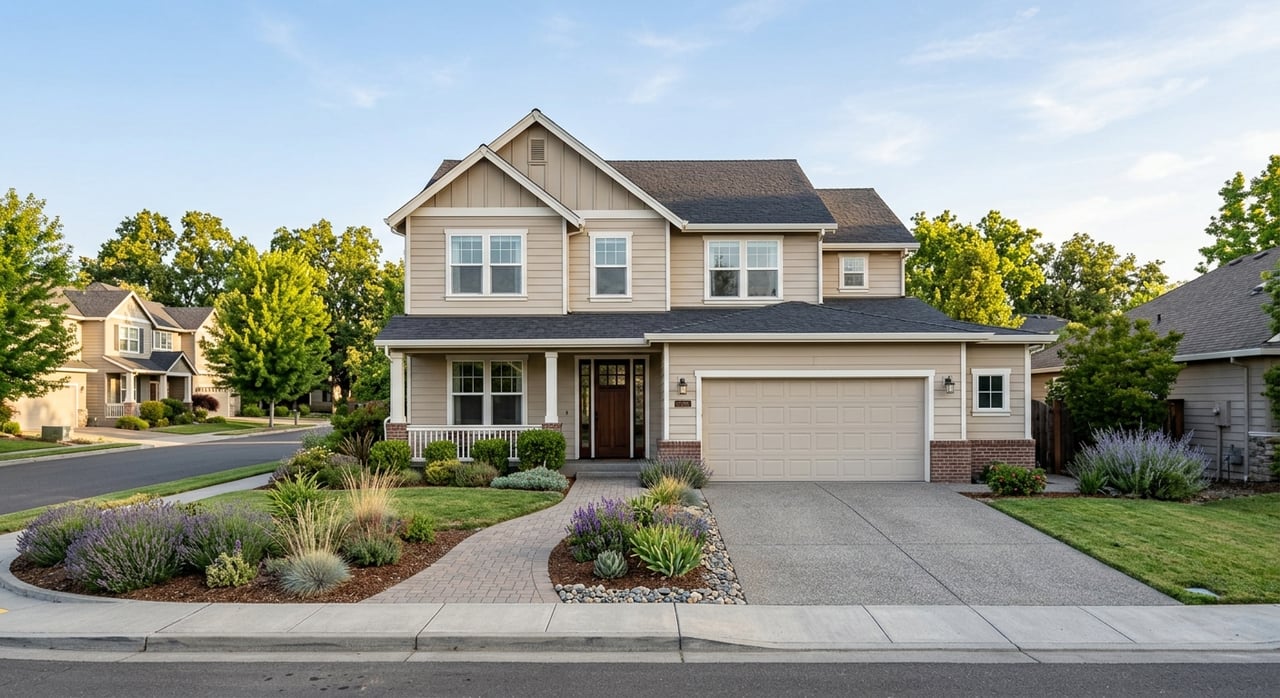
The city’s housing element describes an 8,875-unit housing stock. About 65% is single-family detached, 15% is single-family attached, and 19% is multifamily.
Census data also shows a 79.2% owner-occupied rate. For buyers, that suggests a market with a strong ownership base and a more suburban feel, along with relatively limited rental inventory compared with more urban parts of the Bay Area.
Hercules can make sense if you are trying to solve for more than one thing at once. You may want room to spread out, practical commute choices, and a price point that is often lower than the inner East Bay.
It may be a strong fit if you are:
It may be less ideal if your top priority is the absolute shortest commute or the lowest possible entry price in the region.
Commute math matters, but so does what your life feels like when you get home. Hercules offers a park-rich environment that can appeal to buyers who want outdoor access and a more residential setting.
The city says it has two community parks, five neighborhood parks, about 950 acres of open space and trails, and roughly one-third of the city’s land area devoted to parks and open space. It also lists local amenities such as Refugio Valley Park, Shoreline Park, Woodfield Park, Ohlone Park, and Shasta Park.
For school attendance, most of Hercules is in West Contra Costa Unified School District, with a smaller border area in John Swett Unified. The city lists Hanna Ranch Elementary, Lupine Hills Elementary, Ohlone Elementary, and Hercules Middle/High School within the city.
If schools are part of your home search, it is smart to verify school assignment directly for any specific address. Boundaries and attendance patterns can vary by location.
One of the most interesting parts of Hercules is not just what it offers now, but what may develop over time. City planning materials describe the waterfront vision around Bayfront Boulevard as a pedestrian-oriented mixed-use main street with bay views, promenades, retail, restaurants, and a planned Hercules Hub Capitol Corridor station.
The broader hub concept also includes future train, bus, bike, carpool, and ferry components, along with up to 1,000 residential units. For buyers, that is best viewed as future upside rather than current daily commute infrastructure, but it does point to long-term potential.
If you are comparing commuter-friendly cities, Hercules stands out as a compromise market. It is not as ferry-focused as Vallejo, and it is generally pricier than much of Solano County, but it can offer stronger positioning for people working in Oakland, Berkeley, Richmond, or San Francisco.
Vallejo is more ferry-centric. The SF Bay Ferry Vallejo route publishes weekday San Francisco trips of about 60 minutes, while SolTrans connects riders to the Vallejo Ferry Terminal and other regional transit points.
Hercules, by contrast, leans more on WestCAT bus service and BART connections. If you prefer a direct bus-to-San Francisco setup or want easier access toward the East Bay core, Hercules may feel more practical.
Fairfield and Vacaville are typically more affordable than Hercules based on median owner values in the research. They also connect into broader regional transit options, including Capitol Corridor access from Fairfield-Vacaville.
Still, Hercules is closer to the East Bay core and offers a more direct bus link into San Francisco. If your job is in Oakland, Berkeley, Richmond, or downtown San Francisco, that location difference can matter.
So, is Hercules right for Bay Area commuters? If you want a suburban, owner-heavy housing market, access to parks and open space, and a mix of bus, BART, and highway commute options, the answer may be yes.
Hercules is not the best choice for everyone. But if you are willing to trade some commute time for a more suburban setting and pricing that often lands below Berkeley and Oakland, it can be a very practical place to start your search.
If you are weighing Hercules against Vallejo, Fairfield, Pinole, or other nearby options, the smartest move is to compare your real commute, your budget, and the kind of day-to-day lifestyle you want. When those pieces line up, Hercules can be a strong fit.
Ready to compare Hercules with other commuter-friendly markets in Solano County and the East Bay? Reach out to Carla Shaheed for practical guidance tailored to your budget, commute, and home goals.
As a Solano County Real Estate expert with unparalleled industry knowledge, experience, and local expertise, I can help you get the best deal when buying or selling a home.